Start Your Day The Right Way
March 2026
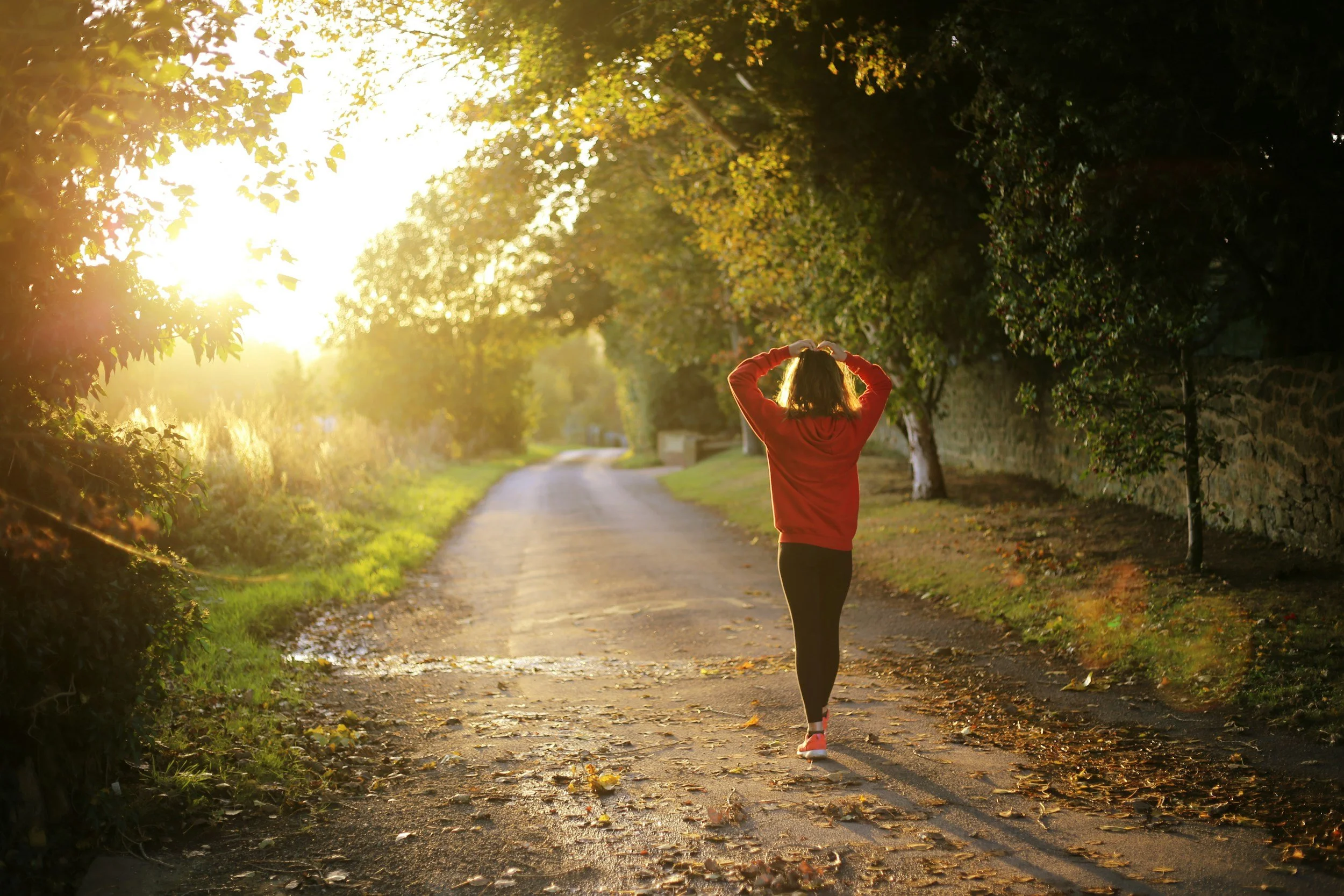
I consume a lot of information on health, but I’m also very careful about who I listen to and what advice I take on board. As you probably know, there is a lot of incorrect information out there, and it can difficult at times to know who to trust. Here are some tips that you can implement immediately to start your day the right way.
Don’t consume caffeine within 90 minutes of waking
Yes, I know what you might be saying… ‘But I need my caffeine hit to wake up in the morning’. If you need caffeine to wake up, that’s a problem in itself and something that we need to address.
The main reason why you should avoid caffeine on waking is because caffeine is a diuretic, which means it dehydrates your body. During the night when sleeping, your body can lose up to a litre in fluid simply due to the humidity of your breath when breathing.
Sleeping naturally dehydrates the body, so adding caffeine to the mix first thing in the morning will worsen this effect. On waking, you should be drinking filtered water to start rehydrating from the night before.
The effects of caffeine also take 30-45 minutes to actually kick in, so even though you are looking for a jolt to wake you up, you won’t feel the effects straight away.
The other thing that caffeine does is it changes the pH balance in your stomach, so having caffeine first thing before eating also upsets your pH balance. Have you ever needed to rush to the toilet after having a coffee?
Go for a walk when the sun comes up
Your circadian rhythm is your internal body clock, which helps to regulate your sleep-wake cycle. Circadian rhythms are set by consistency, light exposure and dietary routine.
Going for a walk in the morning and exposing your eyes to bright light from the sun helps to set your circadian rhythm, which in turn, helps to regulate your sleep-wake cycle, setting you up for a better night’s sleep.
If you are awake before the sun comes up, or if you are working or training by then, try to expose your eyes to the sun as it is rising, as this will still help to set your circadian rhythm.
Start your morning with a warm lemon drink
I mentioned what not to drink first thing in the morning, but what should you drink instead? Other than filtered water, squeeze half a lemon in some warm water (not boiling water) and drink it slowly.
Drinking warm lemon water on an empty stomach helps to aid digestion, boost hydration, support the immune system and increase iron absorption.
It’s important to have your warm lemon drink on an empty stomach due to the alkalising effects that it has on the body. And it’s also a great source of vitamin C (which is one of the reasons why it can help with iron absorption).
Intermittent Fasting
If you don’t train in the morning, intermittent fasting can be a great way to improve your health. The benefits of fasting are many, including boosting mental clarity, balancing blood sugars, promoting weight loss, and removing debris from your body.
Your body will start to go into a fasted state at 12 hours, which for most people, is simply between dinner and breakfast. However, for maximum impact, try to fast for 16 hours and eat within an 8 hour window. This allows your body to remove debris (dead bacteria and viruses) and mis-shaped proteins from your cells, promoting cellular health and longevity.
Fasting isn’t appropriate for everyone, including during pregnancy and when breast feeding, as well as for children. Females also need to take more precautions when fasting due to hormonal health, so ease into fasting to get your body used to it.
Know your chronotype
Your chronotype is your natural, genetically-determined internal clock that dictates sleep-wake cycles, energy levels and alertness throughout a 24 hour period. Understanding your chronotype will help you understand when you are most alert and productive, when you tend to have your slump during the day, and when you should sleep and wake. Here are the three main types:
Morning (Lions): Wake early (usually between 4:30am-6:00am), most productive in the morning (usually between 9:00am-11:00am), have a slump mid afternoon, and go bed early (around 9:00pm-10:00pm). Lions should get their most important work done in the morning!
Evening (Wolves): Wake late (after 7:00am), struggle to get going in the mornings, most productive in the afternoon and evening (usually between 3:00pm-7:00pm) and go to sleep late (often after midnight). Wolves should get their most important work done in the afternoon.
Intermediate (Bears): Follow the rise and fall of the sun (often awake between 6:00am-7:00am and asleep around 10:00pm-11:00pm). Most people are bears and should get their most important work done during the middle of the day.
Chronotypes can also change with age. Toddlers and young children are lions as they wake early and sleep early. Teenagers become wolves as they wake late and sleep late. And then our chronotype tends to set around our mid twenties until we get into our fifties, where it tends to change into a lion again.
Research shows that secondary school children performed an entire letter grade better (C to B, or B to A) simply by being examined based on their chonotype. For example, lions performed better when examined in the morning, and wolves performed better when examined in the afternoon.
Studies also show that secondary school children performed better across the board by simply starting school one hour later compared to primary school children.
As an adult, holding meetings when you’re most productive can enhance your performance and the performance of those around you. Knowing the chronotypes of your team members can also make a big difference. Meet with your lions in the morning and your wolves in the afternoon!
There is no perfect morning routine, despite what some “gurus” try to tell you. We are all different and we function differently, but these are a few tips to help set up your day more effectively.
I would love your feedback, so please let me know what works and what doesn’t, and together, let’s keep striving to enhance your energy, vitality, and overall health and wellbeing.