Gut Dysbiosis
September 2026
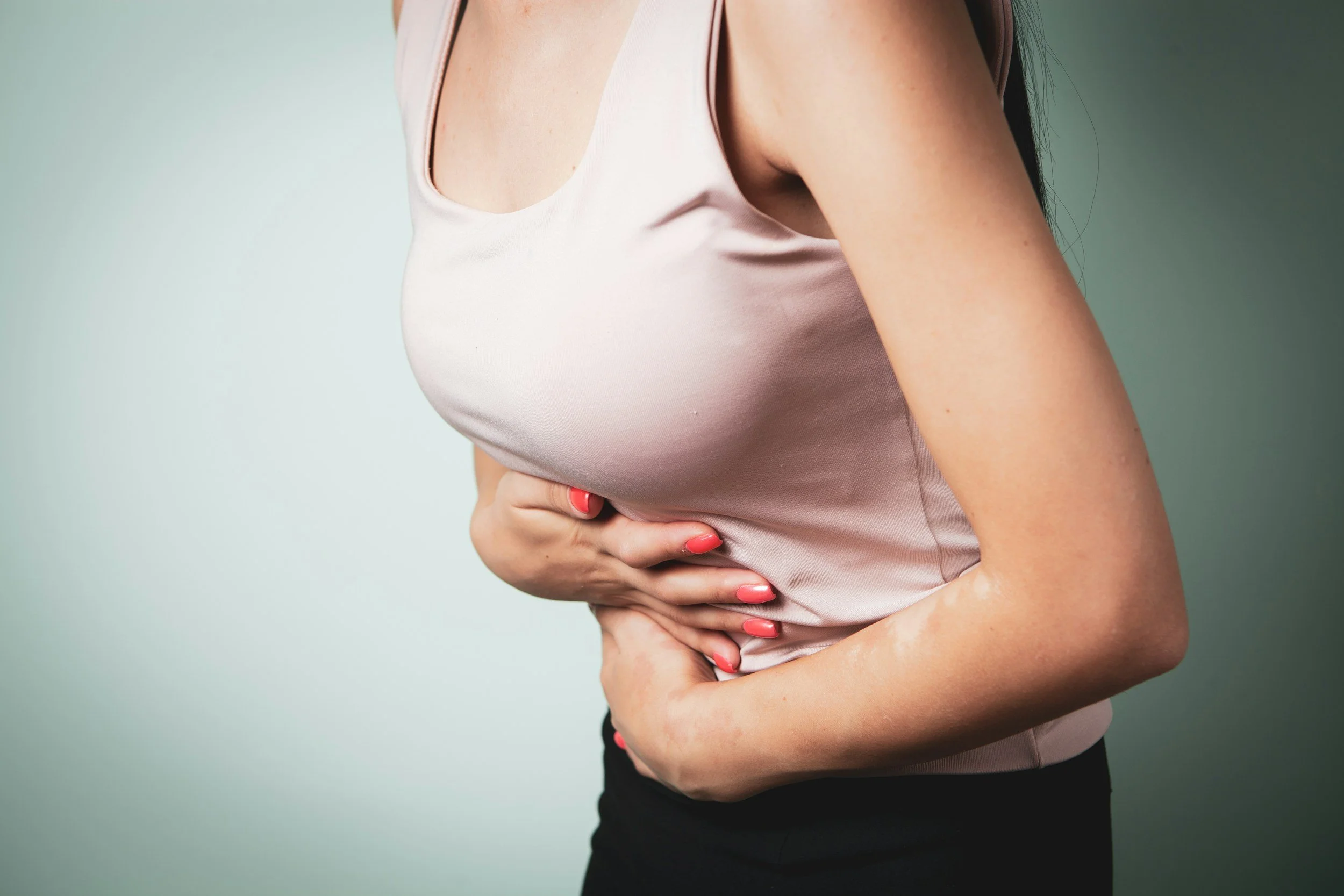
Your gut contains millions of bacteria and other microorganisms. These microorganisms aren’t always harmful — in fact, they’re usually good. They support digestion and allow the body to function normally. But if the delicate balance of different species gets disrupted (dysbiosis), it can cause a variety of health problems. Let’s see how…
What is gut dysbiosis?
Gut dysbiosis is an imbalance in the microbial community of the digestive tract — marked by a loss of beneficial bacteria, an overgrowth of harmful microbes, or a drop in overall microbial diversity.
Normally, your gut contains hundreds of different species of bacteria (as well as fungi, parasites and viruses). These organisms work collectively to maintain healthy gut function, helping to digest fibre, generate useful nutrients, and lower inflammation.
However, when the balance of microorganisms becomes disrupted, it impairs the way your gut functions, leading to an increased risk of gut infections (which we will discuss a little later).
What are the symptoms of gut dysbiosis?
Some of the more common symptoms of gut dysbiosis include:
Bloating or abdominal discomfort
Excessive gas
Diarrhoea, constipation or alternating bowel habits
Indigestion or food intolerances
Nausea
Bad breath
Fatigue or low energy
Brain fog or difficulty concentrating
Unexplained changes in appetite
Skin problems such as acne or eczema
What are the causes of gut dysbiosis?
Gut dysbiosis is normally related to changes in your lifestyle. Just like different animals can thrive or die depending on their diet, the same is true for microorganisms. Your gut environment determines the microflora diversity and composition.
Some of the more common causes of gut dysbiosis include:
Poor diet (especially diets high in sugar or ultra-processed foods)
Low fibre intake
Overconsumption of alcohol or binge drinking
Chronic stress
Sleep disturbances or irregular sleep patterns
Environmental toxins or chemical exposure
Over-sanitised environments (including hand sanitisers)
Medications (such as antibiotics, corticosteroids or immunosuppressants)
How do you treat gut dysbiosis?
Just as your diet can harm your microorganisms, it can also repair the damage. A “dysbiosis-fixing diet” is rich in high-quality proteins (like lean meat and fish), lots of fibre, whole foods, and fruits and vegetables. In fact, eating different coloured foods can be very beneficial, as different pigments feed different species. Fermented foods such as sauerkraut and kimchi can also help to restore normal gut flora.
Avoiding added sugars, saturated fat and refined flour is essential. Ultra-processed foods may disrupt the gut microflora and favour harmful bacteria, so reducing or eliminating these are particularly important. Reducing your alcohol consumption can have a drastic effect on your gut flora, and restoring your gut microbiome balance after taking antibiotics through the use of probiotics can also be beneficial.
Treating gut infections using applied kinesiology
Using applied kinesiology muscle testing, I can test for different microbes that may be harming your gut health, including fungi, bacteria, parasites and viruses. Once I have determined what microbe (or microbes) are impacting your gut health, I can determine what herbal remedy is required to treat the infection.
For example, if I place a vial containing a microbe over the top of your head and see an inhibition (weakening) of a muscle that is usually facilitated (strong), I can determine that your body is reacting adversely to that microbe. To find the “solution to the problem”, I will place one or more herbal supplements over the top of your head (along with the microbe vial) to see which supplement or supplements negate the test and bring the inhibited (weak) muscle back to a facilitated (strong) state.
Once I have determined what your body requires to treat the infection, I will prescribe the required supplement or supplements, and continue to monitor you until the infection has been eradicated.
Some of the more common herbal remedies that I may prescribe for different infections include (but are not limited to):
Fungal Infections: Melia Supreme, Scutellaria Supreme, Golden Thread Supreme, Cat’s Claw Supreme
Bacterial Infections: Golden Thread Supreme, Melia Supreme, Morinda Supreme, Olive Leaf Supreme
Parasitic Infections: Melia Supreme, Vidanga Supreme, Artemisia Supreme, Mimosa Supreme
Viral Infections: Melia Supreme, Woad Supreme, Illicium Supreme, Astragalus Supreme
At the same time, I will test for different foods or food toxins that may be contributing to your gut infection. It’s important to reduce or eliminate the foods or food toxins at the same time to allow your gut to heal up as quickly as possible.
Some of the more common foods or food toxins that can contribute to gut dysbiosis include, but are not limited to, dairy (lactose and casein), gluten, corn, eggs, soy, caffeine, beef, chicken, oats and peanuts. There are many more that could be added to this list, but everyone is different, and what affects one person, doesn’t necessarily affect another.
Look after your gut health today
Many people go through life without even realising they’ve got gut dysbiosis. Symptoms like fatigue, gastrointestinal discomfort, or skin conditions often get ignored.
Don’t keep struggling with poor gut health when there’s a solution. Applied kinesiology provides a range of advanced testing options to assess your gut microbiome diversity, giving you a comprehensive understanding of what’s going wrong and how to fix it.