Fungal Infections Are More Common Than You Think
October 2026
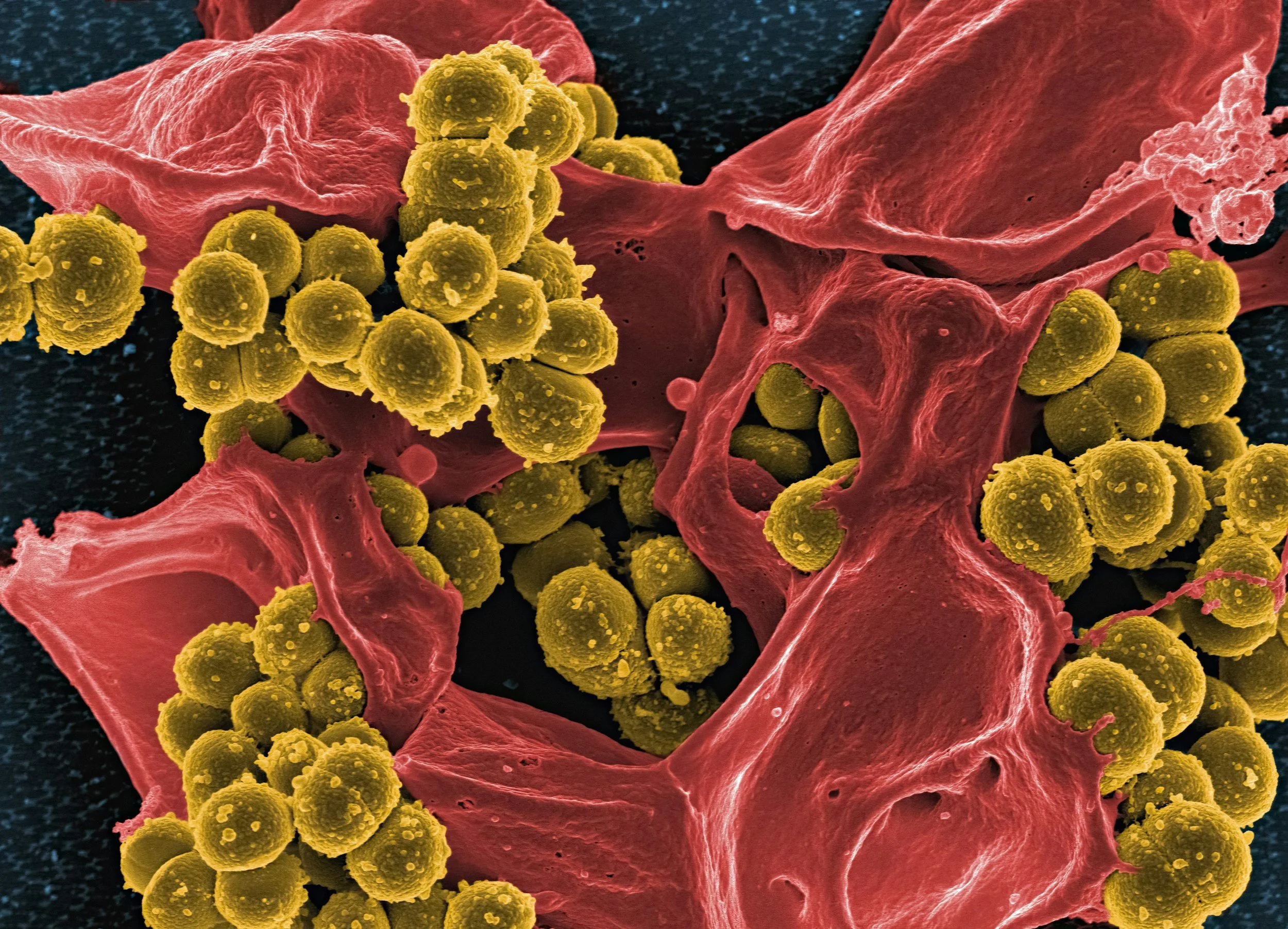
In my previous newsletter, I wrote about gut dysbiosis, which is an imbalance in the microbial community of the digestive tract. Given the importance of your gut to your overall health and wellbeing, we’re going to look more specifically at one of the microbes in your gut — fungi.
What is small intestinal fungal overgrowth?
Small intestinal fungal overgrowth (SIFO) is a condition in which high levels of fungi are found in the small intestine — often leading to gastrointestinal symptoms. In fact, roughly 25% of people with unexplained gastrointestinal symptoms have SIFO.
One study showed that over 97% of the fungi were found to be the candida species. Candida is normally found in small amounts in your mouth, on your skin, and in your intestines. At low levels, it doesn’t cause any problems.
However, if it isn’t kept in check and grows uncontrollably, it can cause a variety of common infections, such as vaginal yeast infections, oral thrush, and abdominal bloating, nausea and diarrhoea.
What are the symptoms of SIFO?
SIFO can cause a variety of abdominal symptoms, including abdominal pain and feelings of fullness. Some of the more common symptoms include:
Abdominal bloating and/or pain
Belching
Diarrhoea
Feelings of fullness
Gas
Inability to lose weight (this one often goes unnoticed but is very common with fungal infections)
Nausea
What are the causes of SIFO?
There are a variety of causes of SIFO, with some of the causes well known, and other causes not so well known. Antibiotics and other medications, such as oestrogen and steroids, are common causes of fungal infections.
Mold is also another common cause of fungal infections, especially in hot, humid climates such as Singapore. Mold is most commonly found at home or at work, and is often hiding behind walls, in aircon vents, or in drains. Bath toys are another hiding place for mold, and often cause fungal infections in young children.
Mold is most commonly transmitted between sexual partners or from pets, so if you test positive for mold, it is highly recommended that your partner get tested for mold as well.
Treating SIFO using applied kinesiology
Using applied kinesiology muscle testing, I can test for the different fungi, including candida and mold, that may be impacting your gut health. Once I have determined what fungus (or fungi) is positive, I can determine what herbal remedy is required to treat the infection.
As I explained in my previous newsletter, when I place a vial containing a fungus over the top of your head and see a weakening of a muscle that is usually strong, I can determine that your body is reacting adversely to that fungus. To find the herbal remedy to treat the fungus, I will place one or more herbal supplements over the top of your head (along with the fungus vial) to see which supplement or supplements negate the test and bring the weak muscle back to strength.
Once I have determined what your body requires to treat the infection, I will prescribe the required supplement or supplements, and continue to monitor you until the infection has been eradicated. This generally takes between 3-6 weeks.
Some of the more common herbal remedies that I may prescribe to treat fungal infections include (but are not limited to):
Melia Supreme
Scutellaria Supreme
Golden Thread Supreme
Cat’s Claw Supreme
Morinda Supreme
Artemisia Supreme
Olive Leaf Supreme
Vidanga Supreme
Foods to avoid when treating SIFO
At the same time, I will test for different foods or food toxins that may be contributing to your fungal infection. It’s important to reduce or eliminate the foods or food toxins at the same time to allow your gut to heal up as quickly as possible. Some of the more common food toxins include gluten, dairy, soy, corn and eggs.
Foods that are high in sugar or fermented also need to be avoided when treating fungal infections. These foods include:
Refined sweeteners — sugar, honey, maple syrup, corn syrup, malt, dried fruit, fruit juice, agave
Mold fermented foods — vinegar, alcohol, soy sauce, tamari, tempeh, miso
Yeast
Cheese (mold inoculated)
Eliminating fungal infections will improve your gut health
Your gut is often referred to as your second brain. A healthy gut will go along way to improving your overall wellbeing and quality of life. Although there are many microbial infections that can affect your gut health, fungal infections are one of the most common infections to impact gut function.
Don’t keep struggling with poor gut health when there’s a solution. Applied kinesiology provides a range of advanced testing options to assess your gut microbiome diversity, giving you a comprehensive understanding of what’s going wrong and how to fix it.